
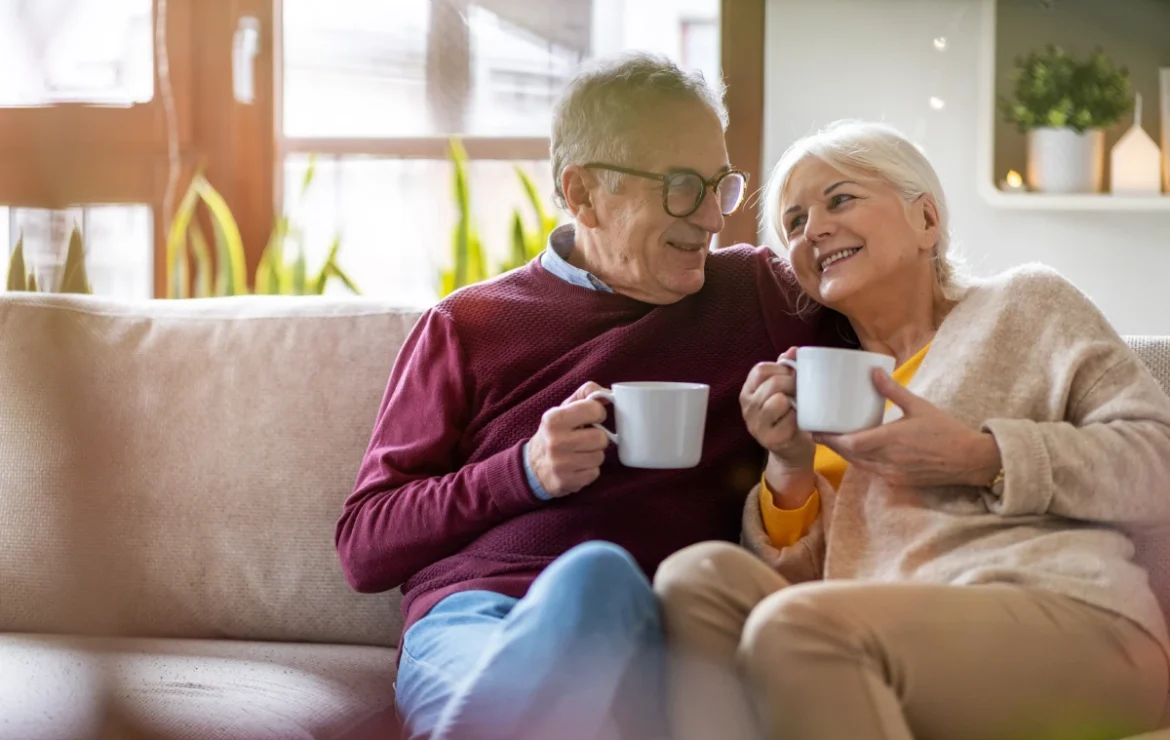
Research from Harvard Health found that older adults who regularly engage in hobbies report better overall health, greater happiness, fewer symptoms of depression, and higher life satisfaction than those who do not.
What makes that finding particularly relevant is that most hobbies are, at their core, a form of relaxation. Reading, gardening, painting, and fishing are among the most accessible tools for supporting long-term well-being.
For seniors especially, building relaxation into daily life is not indulgent. It is one of the most practical things a person can do for their health.
Why relaxation for seniors matters more than most people realize
The body’s response to stress does not become less significant with age. Elevated cortisol levels over time contribute to high blood pressure, weakened immune function, disrupted sleep, and increased risk of cognitive decline.
Relaxation works against all of those outcomes by giving the nervous system regular opportunities to reset.
For older adults managing chronic conditions, caregiving responsibilities, or the emotional weight of major life transitions, that reset is not optional. It is essential.
The physical benefits of relaxing
The connection between relaxation and physical health is well documented and often underestimated. According to The Healthy, specific calming activities produce measurable reductions in heart rate:
- Knitting lowers heart rate by 19%
- Fishing lowers heart rate by 10%
- Journaling lowers heart rate by 7.5%
- Painting lowers heart rate by 3.75%
Each of those activities is low-impact, accessible, and enjoyable. It’s exactly the kind of routine that fits naturally into a senior’s daily life. The benefits of relaxation at this level are not abstract. They show up in blood pressure readings, sleep quality, and how the body handles physical stress.
Relaxation and cognitive health
One of the most compelling reasons to prioritize relaxation for seniors is its effect on the brain. Chronic stress accelerates cognitive decline and raises the risk of depression.
Activities that promote calm — particularly those that require gentle focus, like puzzles, creative projects, or meditative movement — support brain health by reducing inflammatory markers and encouraging the kind of mental engagement that keeps cognitive function sharp.
Mindfulness practices are especially effective in this area. Even a few minutes of focused breathing each day has been shown to improve mood, reduce anxiety, and increase emotional resilience over time.
Relaxation techniques worth building into daily life
Not all relaxation looks the same, and that variety is a strength. Some of the most effective approaches for older adults include:
- Light movement, such as stretching, chair yoga, or short walks outdoors
- Creative hobbies, including painting, knitting, woodworking, or playing music
- Mindfulness and breathing exercises, even in short daily sessions
- Gardening, which combines gentle physical activity with sensory engagement
- Reading or listening to music in a quiet, comfortable setting
- Socializing with friends, neighbors, or family members in low-pressure settings
Social interaction deserves particular attention.
Connection is one of the most powerful forms of relaxation available, and its effects on mood and longevity are among the most consistently supported findings in aging research.
Loneliness, by contrast, carries health risks comparable to tobacco use. Simply spending time with people who bring ease rather than stress is a legitimate wellness strategy.
How senior living supports a more relaxed daily life
One reason families are often surprised by how quickly a loved one settles into senior living is the reduction in daily stressors that comes with the move.
Meals are prepared, maintenance is handled, and transportation is scheduled. When those responsibilities are removed, space opens up for the kinds of activities and rhythms that actually restore well-being.
Sodalis Living communities in Florida, Georgia, and Texas are designed around that kind of daily balance.
Residents have access to activity programming, social events, outdoor spaces, and creative outlets that make relaxation a natural part of the routine rather than something that has to be carved out.
Whether a resident enjoys a quiet morning on the patio, an afternoon painting class, or an evening gathering with neighbors, the environment supports all of it without the background noise of household demands.
For families, watching a loved one move from the stress of managing home life alone to a setting that genuinely supports their well-being is often one of the most reassuring parts of the transition.
Frequently asked questions about relaxation for seniors
As the body ages, chronic stress has a more pronounced effect on physical and cognitive health. Regular relaxation reduces cortisol, supports immune function, improves sleep, and lowers the risk of depression and cognitive decline.
Light movement, creative hobbies, mindfulness practices, social interaction, and time outdoors are among the most accessible and well-supported options for older adults.
Yes. Activities that reduce stress and encourage gentle mental focus have been shown to support brain health, reduce anxiety, and improve emotional resilience over time.
By removing the daily demands of home management, senior living communities create an environment where residents have genuine time and energy for activities that restore well-being.
The bigger picture
The benefits of relaxation are not reserved for people with extra time on their hands. For older adults, building in regular moments of calm is one of the most direct investments available in long-term health and quality of life. Whether it is a knitting group, a walk around the neighborhood, or simply a quiet hour with a good book, those moments add up in ways that matter.
A lifestyle built around well-being at Sodalis Living
Sodalis Living provides assisted living, memory care, and respite care in communities across the South, designed around comfort, connection, and daily routines that support the whole person.
Contact us to schedule a tour and see what life looks like here.