
Nutrition and Physical Therapy: Supporting Senior Health From the Inside Out
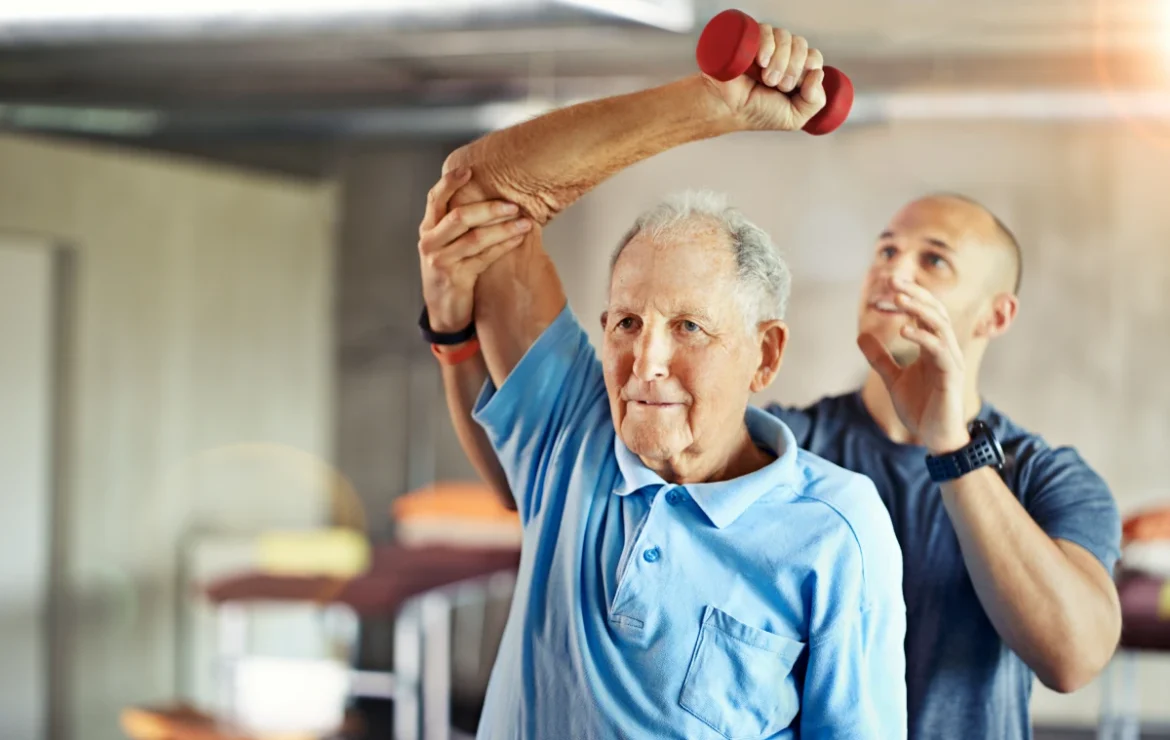
Staying strong, mobile, and independent as the body ages does not happen by accident. It requires a consistent foundation of two things that work better together than either does alone: proper nutrition and regular physical activity. For older adults, the relationship between what the body takes in and how well it moves is one of the most important connections in long-term health.
Understanding how nutrition and physical therapy support each other gives seniors and their families a clearer picture of what wellness actually looks like in practice.
What physical therapy is and who benefits from it
Physical therapy is a structured approach to improving how the body moves, recovers, and functions. It is not reserved for people healing from surgery or injury, though it serves those situations well.
For older adults, physical therapy is equally valuable as a proactive measure.
A physical therapist works with a patient to address areas such as:
- Strength and muscle function
- Balance and coordination
- Mobility and range of motion
- Pain management related to arthritis or chronic conditions
- Fall prevention through targeted movement training
Falls are a leading cause of injury among older adults, and balance training is one of the most direct interventions available to reduce that risk. Physical therapy addresses the underlying physical patterns that contribute to falls, not just the fear of them.
Assisted living with physical therapy services addresses issues like this daily.
How nutrition supports the body’s ability to move and recover
Food is the raw material the body uses to repair tissue, build muscle, and sustain energy for movement. When nutritional intake falls short, physical therapy outcomes suffer regardless of effort.
Protein is the most critical nutrient for older adults engaged in any kind of physical rehabilitation or exercise.
Experts recommend that older adults consume 1.0 to 1.2 grams of protein per kilogram of body weight per day, which is higher than the general adult recommendation of 0.8 grams per kilogram. For those recovering from injury or illness, the need can range from 2.0 to 3.0 grams per kilogram daily.
Despite that need, research shows that one in three older adults consumes less than the minimum daily protein requirement.
That gap has real consequences.
Muscle loss, known as sarcopenia, affects between 5% and 13% of adults aged 60 to 70, and between 11% and 50% of adults over 80. Among older adults entering residential care, studies have found that nearly half are malnourished, and another 45 percent are at nutritional risk at the time of admission.
One key finding is that protein supplementation alone, without accompanying exercise, does not significantly improve muscle mass or strength in inactive older adults. The combination of adequate protein intake and resistance training, sustained for at least 24 weeks, produces meaningful results.
Five of the most nutrient-rich foods for older adults
Building meals around foods that deliver the most value per serving supports both physical therapy outcomes and overall health. Five of the most beneficial options for seniors include:
- Salmon, which provides high-quality protein alongside omega-3 fatty acids that reduce inflammation and support joint health
- Eggs, one of the most complete protein sources available
- Leafy greens such as spinach and kale, which deliver calcium, vitamin K, and antioxidants that support bone density and immune function
- Sweet potatoes, a strong source of potassium, vitamin C, and complex carbohydrates that provide sustained energy for physical activity
- Greek yogurt, which combines high protein content with calcium and probiotics that support digestive and immune health
The connection between nutrition and physical therapy outcomes
When nutrition and physical therapy are approached together rather than separately, the results are noticeably stronger. The body needs adequate fuel to meet physical demands, and physical activity, in turn, improves appetite, digestion, and the efficiency of nutrient absorption.
Research confirms that protein combined with resistance training is effective for preserving and rebuilding muscle in older adults, particularly when that approach is sustained over time.
The implication for families is straightforward. A senior who is attending physical therapy sessions but eating poorly is working against their own progress. Both sides of the equation need attention.
For families evaluating communities, assisted living with physical therapy available on-site removes one of the most common barriers to consistent care. When therapy, meals, and daily movement occur in the same environment, residents are far more likely to follow through on all three rather than managing each one separately at home.
Wellness at Sodalis Living
The most effective senior wellness programs do not treat nutrition, movement, and social well-being as separate categories. They build environments where all three happen naturally throughout the day.
Sodalis Living communities are designed around that kind of integrated daily experience:
- Chef-prepared meals support nutritional needs without requiring residents to plan, shop, or cook
- On-site physical therapy services are available for residents managing recovery or working to maintain strength and mobility
- Activity programming creates consistent reasons to move, connect with others, and stay engaged
Wellness at Sodalis Living is not a program someone has to opt into. It is built into how each day is structured.
Frequently asked questions about nutrition and physical therapy for seniors
Experts recommend 1.0 to 1.2 grams of protein per kilogram of body weight daily for older adults, with higher amounts needed during recovery from injury or illness.
Yes. Physical therapy supports strength, balance, and mobility as a proactive measure, not only during rehabilitation. It is one of the most effective tools available for fall prevention and maintaining independence.
Research indicates that protein supplementation without exercise does not significantly improve muscle mass or strength in inactive older adults. Combining adequate protein intake with resistance training produces the most meaningful results.
Look for communities where on-site therapy is available as a regular service rather than something families have to arrange externally. Physical therapy in assisted living works best when it is integrated into a resident’s daily routine alongside proper nutrition and activity programming.
As you move forward
The relationship between nutrition and physical therapy is one of the clearest examples of how different aspects of health reinforce each other. For older adults, getting both right is not about following a rigid plan. It is about creating consistent daily habits that give the body what it needs to stay strong, recover well, and keep moving.
Holistic wellness support at Sodalis Living
Sodalis Living provides assisted living, memory care, and respite care in communities designed around whole-person well-being. From chef-prepared meals to on-site therapy services and daily activity programming, every part of the environment supports a healthier daily life.
Contact us to schedule a tour.