Intergenerational Relationships Benefit All Ages
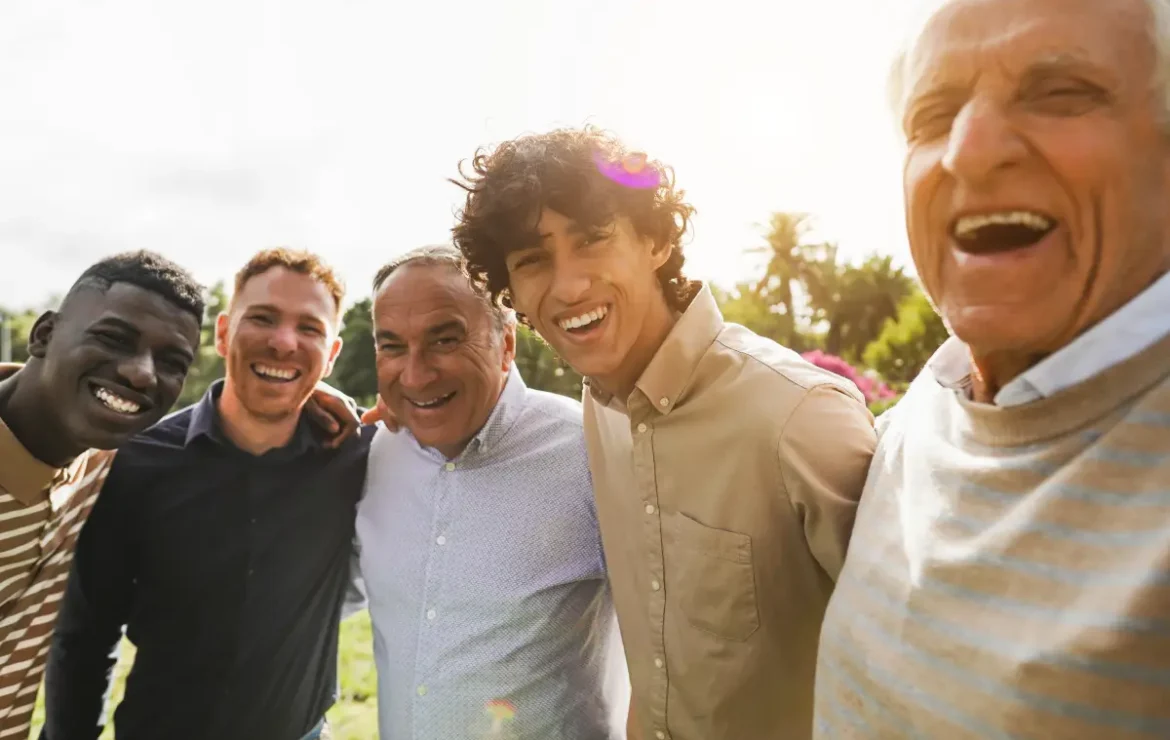
According to 2024 Census data, there are 61.2 million Americans over the age of 65 and 73.1 million under the age of 18. In 11 states, older adults now outnumber children.
These are the two groups with the most free time, the most stories to tell, and arguably the most to gain from each other, and for the most part, they are living completely separate lives.
That is worth changing.
Why intergenerational connections matter
The research on intergenerational relationships points in one clear direction. Regular contact between generations produces measurable benefits for both groups, and the older the adult, the more pronounced the effect.
For seniors, intergenerational communication is linked to:
- Reduced feelings of loneliness and isolation
- Lower rates of depression and anxiety
- Stronger immune function and better physical health
- A greater sense of purpose and relevance
- Slower cognitive decline and reduced risk of dementia
For younger people, time spent with older adults builds perspective, communication skills, and a more respectful understanding of aging. Children who grow up with meaningful connections to older adults are consistently less likely to hold ageist attitudes as they get older.
The benefits run in both directions, which is what makes intergenerational programs one of the more quietly powerful tools in community health.
What these programs can look like
Connections between generations do not require a formal structure, but when they are designed intentionally, the results tend to go further.
Some of the more creative approaches emerging across the country include college students living in senior housing rent-free in exchange for time spent engaging with residents. Others involve senior living communities built directly on or near college campuses, where shared spaces create natural daily interaction.
Some programs focus on children in the foster care system, using intergenerational community living as a way to provide stability and reduce the effects of early trauma through consistent relationships with older adults.
Music programs have also gained attention, bringing together musicians of varying ages for shared rehearsals, performances, and creative collaboration that does not require words to bridge a generational gap.
These are not outliers. They are examples of what becomes possible when intergenerational connection is treated as a priority rather than an afterthought.
The everyday version matters too
Not every meaningful intergenerational relationship happens through a formal program. Some of the most lasting connections form through repeated, low-pressure contact over time:
- A grandparent who calls to ask how a grandchild’s season is going
- A teenager who sits with an older neighbor and asks about a photograph on the wall
- A child who learns to bake from someone who has been doing it for 60 years
These exchanges are small individually and significant in aggregate. They are also increasingly rare in a culture where age groups tend to live, work, and socialize in parallel rather than together.
Intergenerational programs in senior living
At Sodalis Living communities, intergenerational programming is woven into the activity calendar in ways that feel natural rather than orchestrated:
- School choirs come to perform for residents
- High school students lead activities and share skills
- Local children are invited to holiday events
- Nursing students spend semesters in the community
What makes these moments work is that neither group is there out of obligation. Residents light up when young visitors arrive. Children leave with a conversation, a laugh, a story they will probably repeat. The enjoyment is visible on both sides, and that is exactly the point.
“A huge thank you to Sodalis in DeFuniak Springs for welcoming the pre-K students for trick-or-treating. It was such a heartwarming experience to see the young children and the residents share laughter and joy together.”
— Amy M., Google review
Frequently asked questions about intergenerational relationships
Intergenerational programs bring people of different age groups together through shared activities, living arrangements, or community events. They are designed to create regular, meaningful contact between generations that would not otherwise interact as often.
Regular intergenerational communication is associated with reduced loneliness, lower rates of depression, stronger immune function, and a greater sense of purpose. For older adults, consistent contact with younger generations also appears to support cognitive health over time.
Young people who spend meaningful time with older adults develop stronger communication skills, a more positive view of aging, and a deeper appreciation for history and experience. These relationships also provide mentorship and perspective that peer relationships alone do not offer.
Regular visits with grandchildren or younger family members, attending community events together, and asking team members about scheduled intergenerational programming are practical ways to keep those connections active.
Bringing everyone together
Intergenerational programs are not a sentimental idea. They are a practical response to a real and growing gap between age groups who have much to offer each other. The census numbers tell one story. The research tells another. And the experience of sitting across from someone decades older or younger and finding genuine common ground tells the most important one of all.
Community Built Around Connection at Sodalis Living
Sodalis Living provides assisted living, memory care, and respite care in communities across Texas, Georgia, and Florida, where programming, events, and daily life bring residents together with the people and generations that matter most.
Contact us to schedule a tour or inquire about intergenerational programs.