
The Future of Assisted Living: Experiential Living
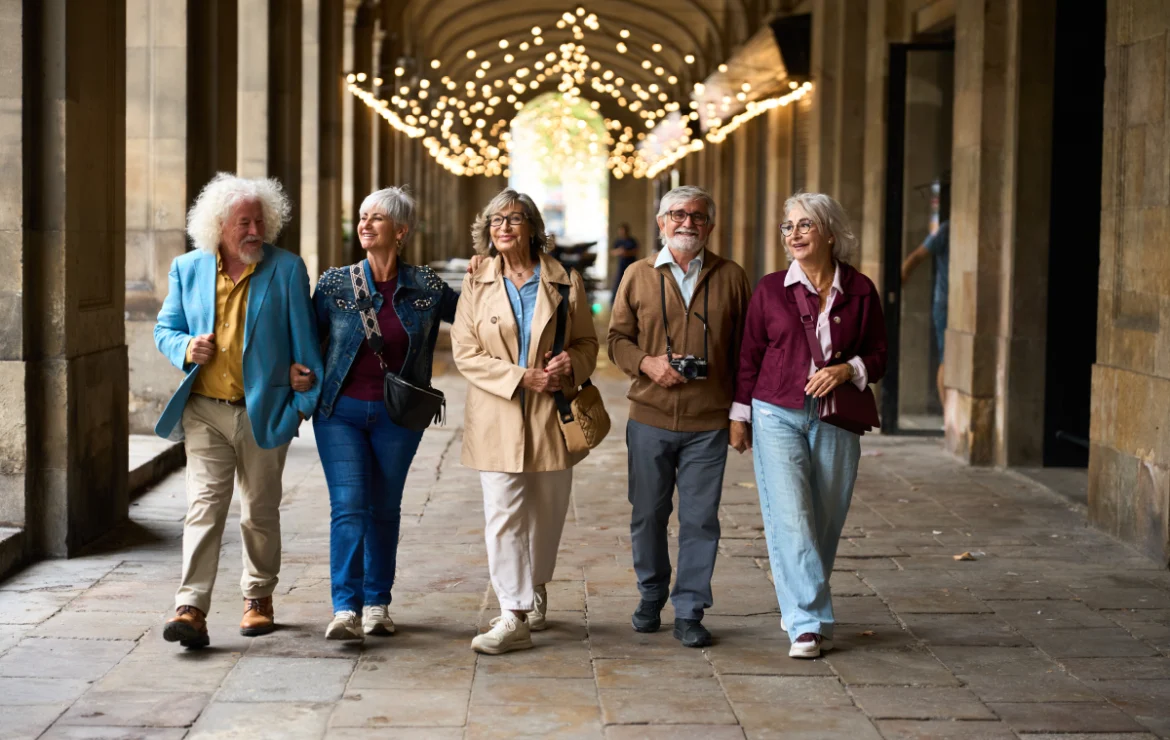
There is a shift happening in how people think about what a good life looks like. For a growing number of adults, the most meaningful version of life is not measured by what they own but by what they have done, felt, and shared with others. Travel over things, dinners over décor, and experiences over accumulation.
This is the foundation of experiential living, a way of orienting daily life around activities, feelings, and moments rather than material goods. It is not a trend reserved for a particular age group.
It is a values shift that is reshaping expectations at every stage, including retirement.
A changing generation with different expectations
The oldest baby boomers are now in their early 80s, and the generation behind them is arriving at retirement with a different set of priorities than those who came before.
Data from Luth Research shows that boomers with financial stability consistently direct discretionary spending toward health and wellness, travel and leisure, and personal fulfillment rather than material purchases.
This is a generation that attended concerts, traveled internationally, tried new restaurants, and stayed active well into middle age. Their expectations for what later life should feel like do not stop at the door of a senior living community. They bring those expectations with them, and the communities that are thriving are the ones built to meet them.
Experiential living for retirees is no longer a niche offering. It is becoming the baseline expectation for what quality senior living looks like.
A brief history of assisted living and how it evolved
Assisted living, as a formal concept, emerged in the 1980s and developed largely in response to the limited options between full independence and nursing home placement.
Early communities were built around a medical model, structured environments focused primarily on well-being, supervision, and basic daily care. The emphasis was on what residents needed help with, not on who they were or how they wanted to live.
Through the 1990s and into the 2000s, the model began to shift. Advocates pushed for a more person-centered approach, and communities responded by expanding programming, adding amenities, and developing care plans that reflected individual preferences rather than institutional routines.
Dining improved, activity calendars diversified, and private apartments replaced shared rooms.
Today, the future of assisted living is moving further still. The one-size-fits-all model has given way to communities that function less like care facilities and more like dynamic, lifestyle-driven environments where support happens to be available.
Assisted living, at its best, has become a home base for experiential living rather than a place where experience ends.
What experiential living actually looks like day to day
Experiential living in retirement is not about constant activity or an overprogrammed schedule. It is about having access to the kinds of experiences that make a day worth remembering, and a community designed to make those experiences possible.
In practice, that can look like:
- Wellness programming that goes beyond light stretching to include intentional fitness, mindfulness, and personal health goals
- Culinary experiences that treat dining as an event rather than a routine
- Regular outings to local cultural destinations, parks, museums, and restaurants
- Travel opportunities, whether regional day trips or more ambitious adventures
- Arts and creative programming that invites genuine self-expression
- Technology-driven experiences that expand what is possible within a community setting
The common thread is intentionality. Experiences that are curated, varied, and designed around what residents actually value produce a different quality of daily life than programming that simply fills the calendar.
What this looks like at Sodalis Living
Across Sodalis Living communities, experiential programming is part of how the day is designed, not an add-on.
Residents have explored national parks and state parks on scheduled outings. They have visited local museums and historical sites. Regular lunch, shopping, and movie outings give residents the rhythm of an active social life rather than the feeling of being contained within four walls.
Many communities have introduced virtual reality programming that takes residents on virtual travel experiences to destinations around the world, accessible without leaving the building.
Silent discos, popular with younger generations, give residents a shared but individually curated musical experience that surprises even the most skeptical participants.
These are not gimmicks. They are signals of a community paying attention to what actually makes residents feel alive and engaged.
For families evaluating the future of senior living options, these details matter. The question is no longer only which community provides the right level of support. It is which community provides the right quality of life.
Frequently asked questions about experiential senior living
Experiential living is a values-based approach that prioritizes activities, wellness, travel, and personal fulfillment over material accumulation. In senior living, it translates to communities designed around engagement, lifestyle, and meaningful daily experiences rather than institutional routines.
Assisted living began in the 1980s as a medically focused alternative to nursing homes. Over time, it evolved toward more person-centered models, and today the future of assisted living is increasingly lifestyle-driven, with communities functioning as home bases for active, engaged living.
Programming varies by community but increasingly includes cultural outings, culinary events, wellness classes, travel opportunities, arts programming, and technology-driven experiences like virtual reality. The strongest communities design programming around resident interests rather than a fixed template.
Engagement, social connection, and purposeful activity are among the most consistently supported contributors to well-being in older adults. Communities built around experiential living address all three simultaneously rather than treating them as secondary to care.
Looking ahead
The future of senior living belongs to communities that understand what the next generation of residents actually wants. Not just comfort and care, though those remain essential. But also purpose, adventure, novelty, and the kind of daily life worth talking about.
Experiential living is not a luxury tier. It is where the entire field is headed, and the communities investing in it now are the ones that will define what assisted living means for the decades ahead.
Experiential assisted living at Sodalis Living
Sodalis Living provides assisted living, memory care, and respite care in communities built around meaningful daily experiences, social connection, and programming that reflects the life each resident wants to live. Contact us to schedule a tour.