
Finding the Perfect Companion: Best Dogs for Seniors
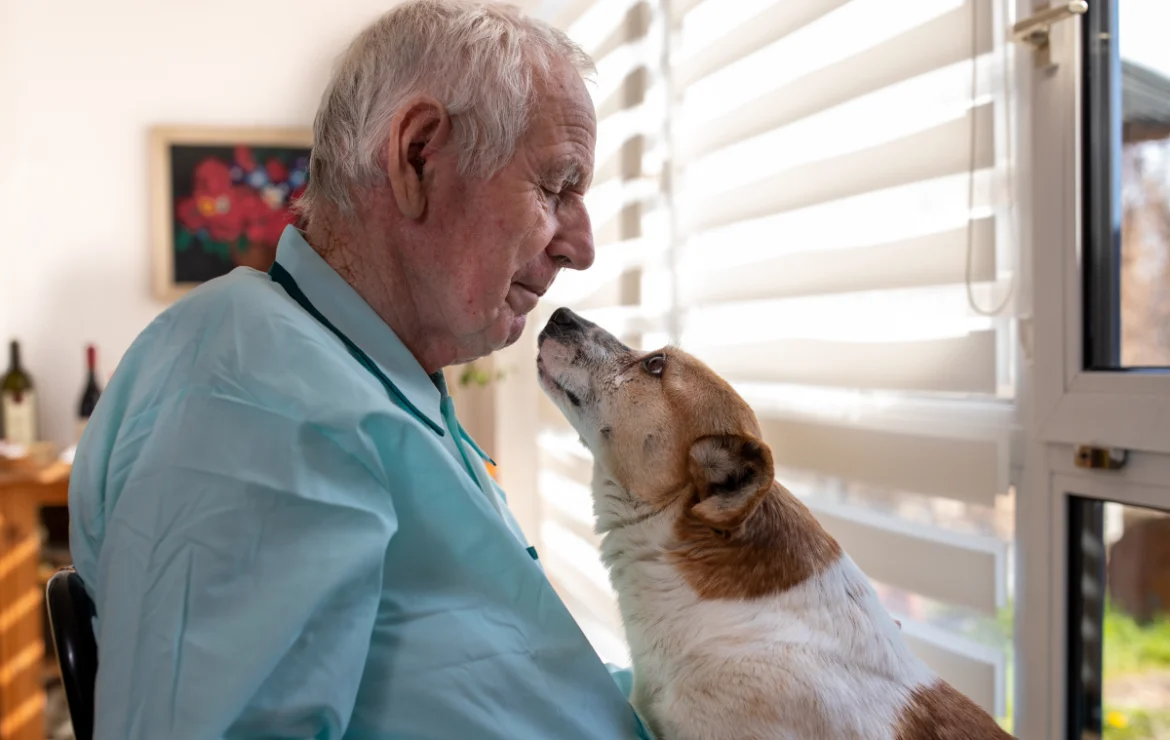
More than 50% of seniors own a dog, according to the American Humane Society. If you are in the other half, this might be the nudge you have been waiting for. And before diving into breeds, here is something worth knowing first: Your ideal companion is probably already waiting at a local shelter, a little older, a little calmer, and grateful for exactly the kind of quiet, steady life a senior can offer.
The best dogs for seniors share a few common traits:
- Manageable size, predictable temperament
- Lower exercise demands
- A genuine fondness for human company
Breed tendencies are a useful starting point, but personality ultimately matters more than pedigree. That said, knowing which breeds tend to suit older adults well makes the search considerably easier.
9 great companion dogs for seniors (and something to consider)
Cavalier King Charles Spaniel
Affectionate, adaptable, and perfectly sized for an apartment or smaller living space. Cavaliers are known for following their people from room to room and settling contentedly wherever their owner lands. They require moderate grooming but minimal exercise, making them one of the best senior companion dogs available.
Shih Tzu
Bred specifically for companionship, the Shih Tzu is content with short walks and long stretches of quality time on the couch. They are among the best hypoallergenic dogs for seniors, as their coat produces less dander than that of many other breeds. Regular grooming is required, though many owners find a shorter trim keeps maintenance manageable.
Poodle (Miniature or Toy)
Poodles are intelligent, low-shedding, and exceptionally adaptable. They respond well to routine and thrive with the kind of consistent daily rhythm that senior living tends to support. Both the miniature and toy varieties fit comfortably within most community size limits.
French Bulldog
Compact, low-energy, and deeply devoted to their person. Frenchies do not require extensive exercise and are generally content with a short walk and an afternoon of companionship. Their calm indoor temperament makes them a natural fit for seniors with limited mobility.
Bichon Frise
Cheerful, gentle, and genuinely low-shedding, the Bichon Frise is a strong choice for older adults seeking a playful yet manageable companion. They adapt well to new environments and tend to be friendly with strangers, which is an asset in a community setting.
Maltese
One of the smallest good dog breeds for seniors, the Maltese weighs in under 7 pounds and thrives on human connection. They are well-suited to apartment living, require only light daily exercise, and tend to be gentle and loyal with their primary person.
Pomeranian
Spirited but compact, Pomeranians offer a lot of personality in a small package. They are alert and engaged without being demanding, and their size makes them easy for seniors with varying mobility levels to manage.
Havanese
Havanese dogs are sociable, trainable, and genuinely enjoy being around people of all ages. They adjust well to smaller living spaces and are often described as naturally intuitive to their owner’s emotional state, which makes them particularly well-suited dogs for older adults.
Greyhound (retired racing)
This one surprises most people. Despite their size and athletic history, retired greyhounds are among the calmest, most low-maintenance dogs available for adoption. They sleep for the majority of the day, require only one or two short daily walks, and are known for their quiet, gentle temperament.
Cats
For seniors who want companionship without the responsibility of daily walks, a cat may be the better fit. Cats are largely independent, require less active caregiving, and provide many of the same emotional benefits as dogs. Breeds like the Ragdoll, British Shorthair, and Scottish Fold are known for calm, affectionate personalities that suit a quieter household well.
Seniors and senior pets
There is something particularly fitting about an older adult adopting an older animal. Senior pets are typically calmer, already house-trained, and past the high-energy demands of puppyhood. They are also statistically harder to place.
Many humane societies offer discounted or waived adoption fees specifically for senior adopters taking home senior pets. Beyond the financial benefit, the match tends to work well on a practical level. A 7-year-old dog and a 70-year-old person often want exactly the same things from a day.
The benefits of dog adoption for seniors are well known. Pet ownership is linked to lower blood pressure, reduced feelings of loneliness, greater daily physical activity, and a stronger sense of routine and purpose.
For older adults living alone, an animal can provide the kind of consistent companionship that supports both emotional and physical health in measurable ways.
Bringing a pet to senior living
For seniors considering a move to a pet-friendly community, the landscape has improved significantly. Approximately 85% of assisted living communities now welcome pets, compared to just 45% a decade ago. Most pet policies for dog adoption for older adults include guidelines around:
- Weight and size limits, typically between 25 and 50 pounds
- Proof of current vaccinations and a recent veterinary health certificate
- A written care plan identifying feeding schedules, medications, and a backup caregiver
- Confirmation that the pet is housebroken and comfortable in shared spaces
Preparing that documentation before a tour makes the conversation with a community team much smoother and signals that the owner has thought through the responsibility involved.
Adopting a dog in retirement at Sodalis Living
Families sometimes worry that a loved one moving into assisted living will have to leave a pet behind. What they often find instead is that the animal becomes one of the most popular presences in the building within the first week.
At Sodalis Living communities across the South, residents who arrive with a dog or cat find that the animal opens doors, sometimes literally. Neighbors stop to visit. Team members learn the pet’s name alongside the resident’s. A resident who might have taken longer to feel settled finds a natural starting point for connection on day one.
For those without a pet who are considering adopting a dog in retirement, the community environment actually supports that decision. Regular routines, accessible outdoor spaces, and a team aware of each resident’s needs create a setting where pet ownership remains manageable and genuinely enjoyable.
Frequently asked questions about dogs for seniors
Cavalier King Charles Spaniels, Shih Tzus, Maltese, and Toy Poodles are among the most consistently recommended breeds for smaller living environments. All are calm, affectionate, and well within typical community size limits.
Poodles, Bichon Frises, Maltese, and Shih Tzus are considered low-shedding breeds that tend to produce less dander. No dog is completely allergen-free, but these breeds are generally better tolerated by people with sensitivities.
For most older adults, yes. Adopting a senior dog from a local shelter is particularly well-suited to the lifestyle and pace of retirement. Many humane societies offer reduced adoption fees to senior adopters who take home older animals.
Most communities allow pets. Approximately 85% of assisted living communities currently welcome dogs and cats with standard guidelines around size, vaccinations, and a written care plan for the animal.
For older adults who want companionship without the exercise demands of a dog, calm cat breeds like the Ragdoll or British Shorthair offer many of the same emotional benefits with considerably less daily maintenance.
A friend worth finding
The right companion animal does not have to be a specific breed or come from a specific place. It has to be the right fit for the life being lived right now. For many older adults, that friend is already at the local shelter, patient, unhurried, and ready for exactly the kind of home only a senior can offer.
Pet-friendly senior living at Sodalis Living
Sodalis Living provides assisted living, memory care, and respite care in Texas, Georgia, and Florida, where residents are welcomed alongside the companions that matter most to them. Contact us to schedule a tour and learn about bringing your pet along.