
The Purrfect Retirement Friend: Best Cat Breeds for Seniors
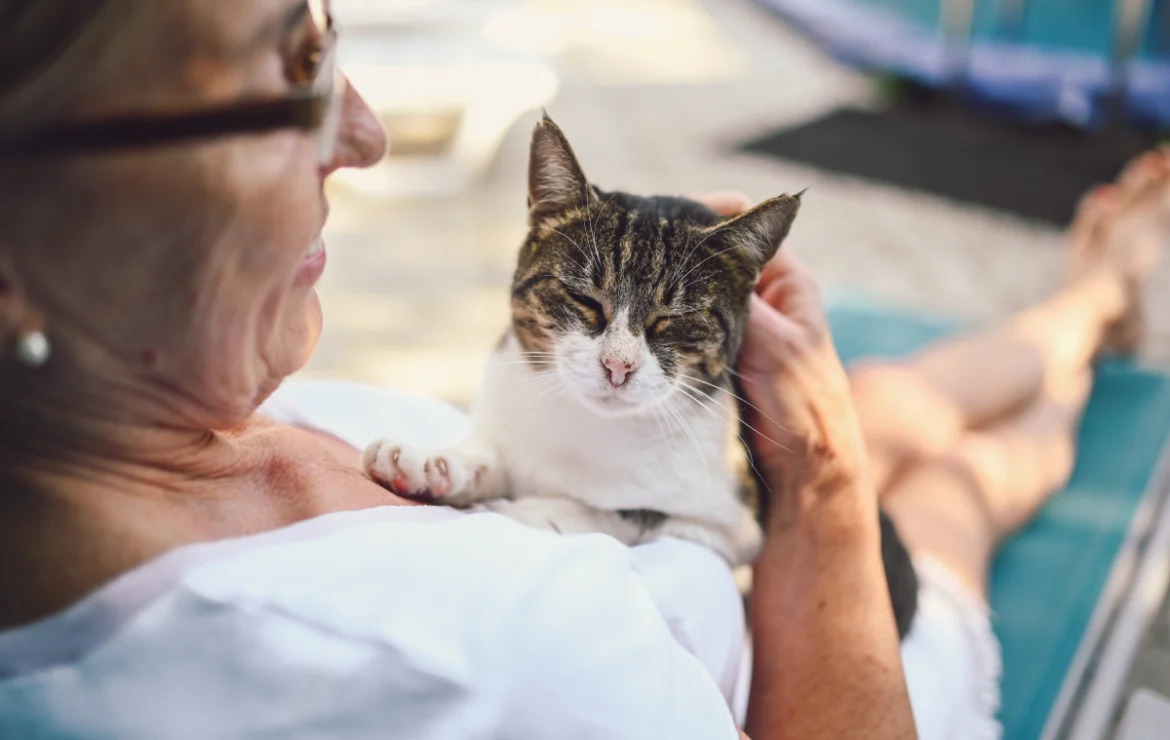
Dogs get most of the attention when it comes to senior pet ownership, but cats have been quietly making their case for years. Cat ownership rates have actually been on a slight rise in recent years as dog ownership has leveled off, and it is not hard to understand why. Cats are less expensive to keep, easier to manage day-to-day, and perfectly suited to the slower, more comfortable pace that retirement tends to bring.
According to data from Packaged Facts, 52% of cat-owning households now have a senior cat, defined as one age 7 or older. Among baby boomers specifically, 84% of cat owners consider their pet a family member, and 70% say they are happier because of their cat. Those are not small numbers. They reflect something real about what feline companionship provides at this stage of life.
If you have been thinking about adopting a cat in retirement, this is your sign to keep reading.
Why cats work so well for older adults
The best type of cat for seniors is not necessarily a specific breed. It is a personality match. That said, cats as a species tend to offer several qualities that align naturally with senior living:
- They do not need to be walked or let outside on a schedule
- They are content in smaller living spaces, including apartments and senior communities
- They provide consistent companionship without demanding constant attention
- Their daily care routine, feeding, fresh water, and a clean litter box, is manageable for most older adults
- They are considerably less expensive to keep than dogs on average
For someone transitioning into a new chapter of life, a cat offers the comfort of routine and the warmth of daily companionship without the energy demands of dog ownership.
A note on kittens
Before diving into breeds, a word of caution about kittens. They are undeniably entertaining, but for a first-time cat owner or someone returning to pet ownership after years away, a kitten can be genuinely overwhelming. They climb everything, knock things over with impressive commitment, and have energy levels that bear no relationship to what a calm household actually looks like.
A 2- or 3-year-old cat, or better yet a senior cat, will tell you much more about its personality from the start, settle in faster, and require considerably less management. Save the kitten for someone who has already done this before.
8 cat breeds worth considering
Ragdoll
Named for the way they go limp when picked up, Ragdolls are among the most consistently recommended breeds when it comes to what breed of cat is best for older adults. They are calm, affectionate, and tend to follow their person from room to room without demanding attention. They adapt easily to indoor living and generally get along well with visitors.
British Shorthair
Dignified, quiet, and reliably even-tempered. The British Shorthair is not a lap cat in the traditional sense, but it is a devoted companion that prefers to be near its person rather than alone. Low grooming needs and a sturdy build make this breed particularly low-maintenance.
Scottish Fold
Recognized by their folded ears and round, expressive faces, Scottish Folds are gentle and adaptable. They tend to be quiet, bond closely with their primary person, and are not known for high-energy behavior. A good match for a calm household.
Persian
Persians are the definition of cat retirement done right. They are unhurried, soft-spoken, and entirely comfortable spending the afternoon in a sunny spot doing nothing in particular. Their long coats require regular grooming, which is worth factoring in, but their temperament is among the most relaxed of any breed.
Birman
Affectionate and social without being clingy, the Birman strikes a pleasant balance between independent and engaged. They tend to be gentle with their owners and adapt well to routine, which makes the transition to a new living environment relatively smooth for both the cat and the owner.
Siamese
For older adults who want a cat with a bit more personality, the Siamese delivers. They are vocal, curious, and genuinely interested in what their person is doing. Best suited for someone who enjoys interaction and does not mind a cat with opinions.
Russian Blue
Quietly devoted and somewhat reserved with strangers, the Russian Blue bonds deeply with its primary person. They are not demanding, but they are present, and they tend to provide the kind of steady, low-drama companionship that suits a calm household particularly well.
Maine Coon
Larger than most cats on this list, the Maine Coon earns its place because of its famously gentle temperament. They are often described as doglike in their loyalty and are known for being patient, easygoing, and genuinely good-natured. If a community’s pet policy accommodates their size, they make excellent companions.
Senior cats and the case for adoption
Here is the part that deserves more attention than it typically gets. Shelters are full of cats between the ages of 5 and 12 who are calm, already litter-trained, and past the chaotic phase of early life. They are also, unfortunately, among the hardest animals to place.
Adopting a senior cat is one of the most practical decisions an older adult can make. The personality is already established. The energy level is predictable. And the bond that forms between an older person and an older animal, two beings who have both earned a quieter life, tends to be something genuinely worth having.
Many humane societies offer reduced or waived adoption fees for senior cats specifically, sometimes as part of programs that pair them with older adopters. It is worth calling a local shelter to ask. The cat waiting at the end of that conversation may be exactly the right fit.
Keep in mind that most shelter cats are mixed breed. Knowing which traits to look for, such as a calm temperament, indoor preference, and lower energy, matters more than finding a specific breed.
Ask shelter staff which cats have the best track record with quieter households. They know.
Bringing a cat to senior living
Most assisted living communities now allow cats, part of the broader trend that has seen pet-friendly senior communities grow from 45% a decade ago to approximately 85% today.
Before move-in, a few things to have ready:
- Current vaccination records from a veterinarian
- A written care plan covering a feeding schedule, medications, and behavioral notes
- Contact information for a backup caregiver in case of a health-related absence
- A litter box, familiar bedding, and any items that help the cat feel settled in a new space
Cats tend to adjust to new environments on their own timeline, which is to say, whenever they decide they are ready. Providing familiar-smelling items from the previous home helps speed that process considerably.
Cats at Sodalis Living
A cat in a senior living community has a quiet kind of influence. It does not announce itself the way a dog might, but it makes its presence known. Neighbors visit to check on it. Team members stop in to see how it is settling. A resident who might otherwise have taken weeks to feel fully at home finds that the cat has already introduced them to half the hallway.
For older adults who have shared their life with a cat for years, bringing that companion into assisted living is not a small thing. It is continuity. It is the thread between the life they had and the one they are building.
In Sodalis assisted living communities across the South, that thread is worth protecting.
Frequently asked questions about cats in senior living
Ragdolls, British Shorthairs, and Persians are consistently recommended for their calm temperament and low-maintenance personalities. For older adults who want a more interactive companion, the Siamese and Birman breeds are worth considering.
For most older adults, yes. Senior cats from local shelters are often the best match, offering predictable temperament, lower energy, and, in many cases, reduced adoption fees through senior-specific programs.
Approximately 85% of assisted living communities now allow cats, typically with standard guidelines around vaccinations and a written care plan for the animal.
Kittens require significant energy and supervision. A cat between 2 and 7 years old, or a senior cat from a shelter, is almost always a better starting point for someone new to cat ownership or returning after years away.
Cats adjust on their own terms, which can take anywhere from a few days to a few weeks. Familiar bedding, consistent feeding routines, and a quiet space to retreat to help most cats settle in without major difficulty.
On their own terms
Cat retirement is not a compromise. It is a choice that reflects a quieter kind of wisdom about what daily life actually needs to feel full. The best cat breed for seniors is ultimately the one sitting in a shelter right now, waiting for someone who finally has the time, the space, and the patience to let a relationship develop at exactly the right pace.
Pet-friendly senior living at Sodalis Living
Sodalis Living provides assisted living, memory care, and respite care in communities across the South where residents are welcomed alongside the companions that matter most to them.
Contact us to schedule a tour and ask about bringing your cat along.