
The Best Mobile Phones for Seniors: A Practical Guide
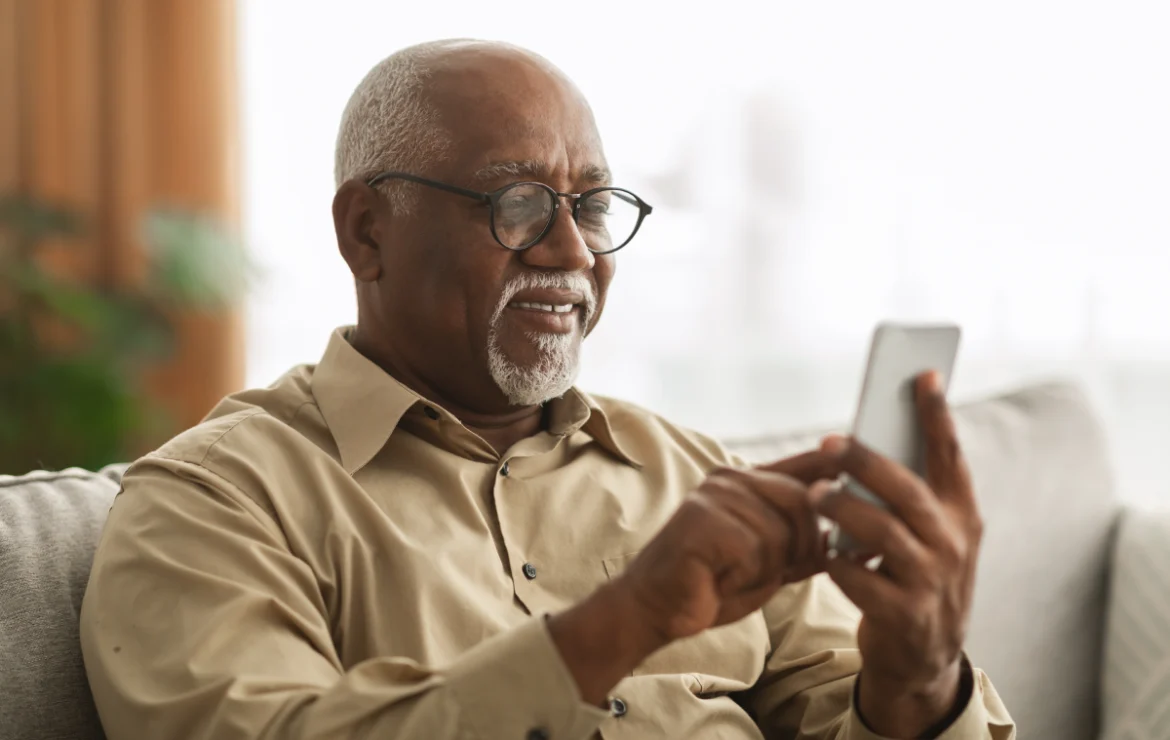
Staying connected is one of the most important things a phone does for older adults, and the technology available today makes that easier than ever.
Smartphone adoption among seniors has grown from 18% in 2013 to between 61% and 76% today, according to the Pew Research Center. That is a significant shift, but the barriers that slow adoption are just as real as the growth.
Hearing loss affects the majority of adults aged 71 and older, while vision challenges affect more than a quarter of the same group. Only 26% of older adults say they feel very confident using a smartphone, and 77% report needing help learning a new device.
Understanding those realities is what makes choosing the right phone so important.
The good news is that 56% of seniors send text messages to loved ones daily. The tools are there. The right phone just needs to match the person using it.
What makes a phone senior-friendly
Before comparing specific devices, it helps to know which features matter most for older adults.
The best mobile phone for seniors typically includes several of the following:
- Large physical or on-screen buttons that reduce the precision required to dial or type
- Hearing aid compatibility, which reduces interference and improves call clarity
- Simplified menus that limit navigation to core functions
- An emergency or SOS button that contacts a family member or dispatcher quickly
- Bright, high-contrast displays that remain readable in various lighting conditions
- Loud, clear speaker volume for those with mild to moderate hearing loss
Not every senior needs every feature on that list. The right combination depends on the individual.
Basic flip phones for older adults
Flip phones have made a genuine comeback for older adults who want reliable communication without the complexity of a full smartphone. These phones for retirement are straightforward, durable, and often more comfortable to hold and hear than their smartphone counterparts:
- Consumer Cellular Link II is the most budget-conscious option, priced at around $30 or less, offering basic calling and texting without unnecessary features. For older adults who primarily want to stay reachable, it is a practical starting point.
- Consumer Cellular IRIS Easy Flip runs about $30 and adds internet browsing alongside large buttons and a simple interface, a step up without a steep price increase.
- The Nokia 2780 Flip lands at around $100 and delivers simple, reliable communication with an easy-to-hold, easy-to-navigate design.
- Jitterbug Flip2 is priced at around $40, though it is frequently available on sale. It includes an emergency response button and optional medical alert features, making it one of the more safety-conscious easy phones for seniors on the market. Internet browsing is not included, which simplifies the experience for those who do not want it.
- Alcatel Go Flip 4 retails for about $70 and is known for solid battery life and a clean, manageable design.
- TCL FLIP 4 5G brings modern connectivity to a traditional flip format, offering 5G capability for those who want future-ready performance without switching to a full smartphone, all for under $100.
Easy smartphones for older adults
Smartphones offer more connectivity, larger screens, and the ability to video call, which matters for families who want to see each other rather than just hear each other. The easiest phones for seniors to use in this category prioritize accessibility without stripping away functionality:
- Jitterbug Smart4 is priced under $50. Its 6.6-inch screen, simplified interface, and emergency response button make it one of the most consistently recommended mobile phones for retirees who are ready to try a smartphone.
- RAZ Memory Cell Phone costs around $369 and is specifically designed for older adults managing cognitive decline or early dementia. It features an always-on simplified screen, caregiver controls, and works with any carrier, making it one of the most thoughtful options available for families navigating memory challenges.
- Samsung Galaxy A14 is often available for under $100. It offers a budget-friendly entry into Android smartphones with a generous screen size and an interface that responds well to accessibility adjustments.
- Samsung Galaxy A16 5G steps up to a midrange price point with 5G connectivity and an intuitive layout that works well for older adults transitioning from a basic phone.
- iPhone SE, priced at $100 to $200 for a refurbished version, brings Apple’s accessibility ecosystem to a more manageable price point. VoiceOver, display zoom, and hearing aid compatibility are all built in, and the iOS interface is familiar to anyone already using an iPad or other Apple device.
- iPhone 15, 16, or 17 represents the full Apple experience and is recommended for its accessibility features, camera quality, and long-term software support.
- Samsung Galaxy S25+ is the premium Android option, offering an excellent camera, fast charging, and a large, high-resolution display for those who want the best available regardless of price.
Choosing between basic and smart
The deciding factors are usually confidence, vision, and how the phone will primarily be used.
For older adults who want to call family, send the occasional text, and have an emergency option within reach, a basic flip phone covers all their needs. Those who want video calls, navigation, or the ability to stay connected to family through shared apps and photos, a smartphone with simplified settings is worth the adjustment period.
Involving a family member in the setup process makes a meaningful difference either way. Most older adults who struggle with a new phone report that one or two guided sessions resolved the majority of their questions.
Phones, connection, and senior living
At Sodalis Living communities in Texas, Georgia, and Florida, residents stay connected to family through calls, texts, and video chats, bringing family members into daily life regardless of distance.
Our team members are familiar with helping residents navigate their devices and can assist with basic setup and troubleshooting as part of daily support.
For families whose loved one has struggled with an older phone or has resisted technology altogether, a move to senior living can sometimes be the natural moment to try again, with more support available and more reasons to reach out.
Frequently asked questions about phones for seniors
The Jitterbug Flip2 and Consumer Cellular IRIS Easy Flip are among the most recommended for older adults new to mobile phones. Both offer large buttons, clear audio, and minimal interface complexity.
The Jitterbug Smart4 and iPhone SE consistently rank among the easiest phones for older adults due to their simplified interfaces and built-in accessibility features.
The RAZ Memory Cell Phone is designed specifically for older adults with cognitive decline, featuring caregiver controls and an always-on simplified screen.
Hearing aid compatibility, large buttons or text, an emergency contact feature, and a bright, high-contrast display are the most consistently useful features for older adults.
The right connection matters
The best easy phone for seniors is the one that actually gets used. A device that sits on the nightstand because it feels too complicated is not doing anyone any good. Starting with the right fit, whether that is a $30 basic phone or a fully equipped smartphone, and having someone walk through it once or twice makes the difference between a phone that connects a family and one that creates frustration.
Staying connected at Sodalis Living
Sodalis Living provides assisted living, memory care, and respite care in communities across the South where residents stay connected to the people and routines that matter most. Contact us to schedule a tour.